EmptyOS
Local-first and private by default — not another chat assistant you rent. Describe the outcome you want; the same kernel plans it, builds it from your own notes, and hands it to you to judge. Bring it to your own workflow or your team: bundle that one infrastructure a different way and it becomes a personal office, a team workspace, an engineering bench, or a language tutor. Your notes never leave your computer — cloud models only ever see what you approve.
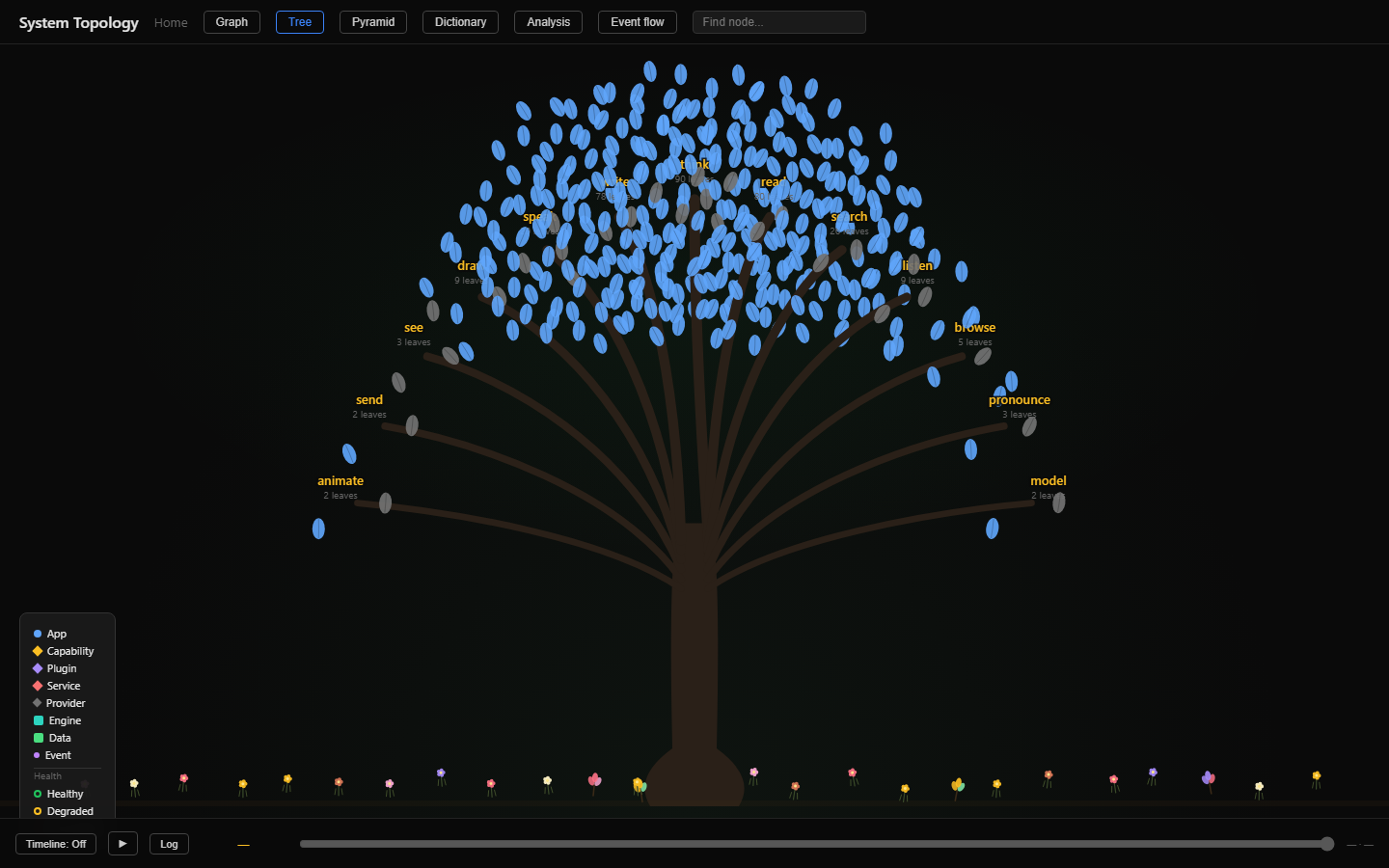
The demo link signs you in to a public sandbox with sample notes — feel free to break things, but don't put real data in it.
Generated 2026-10-05 from live system state.
Start from the outcome
Type what should exist — "a report on my cable notes", "a slide deck introducing the project" — and EmptyOS proposes a plan, gathers from your vault, and produces the artifact: a document, a research doc, a deck, a web page. You review the plan before anything runs, and you judge the result. Apps are how it gets done, not where you have to start.
Ask AI anywhere
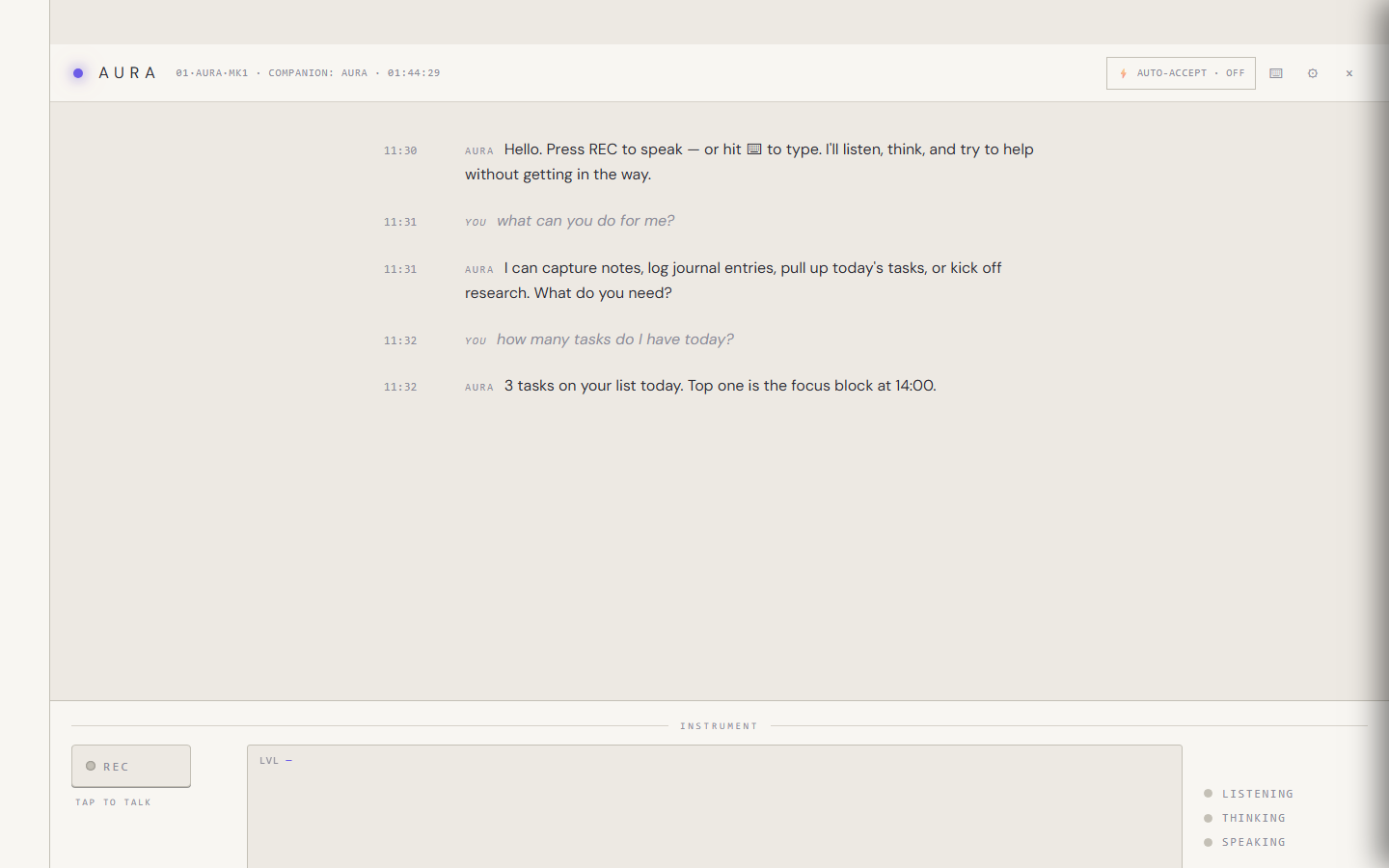
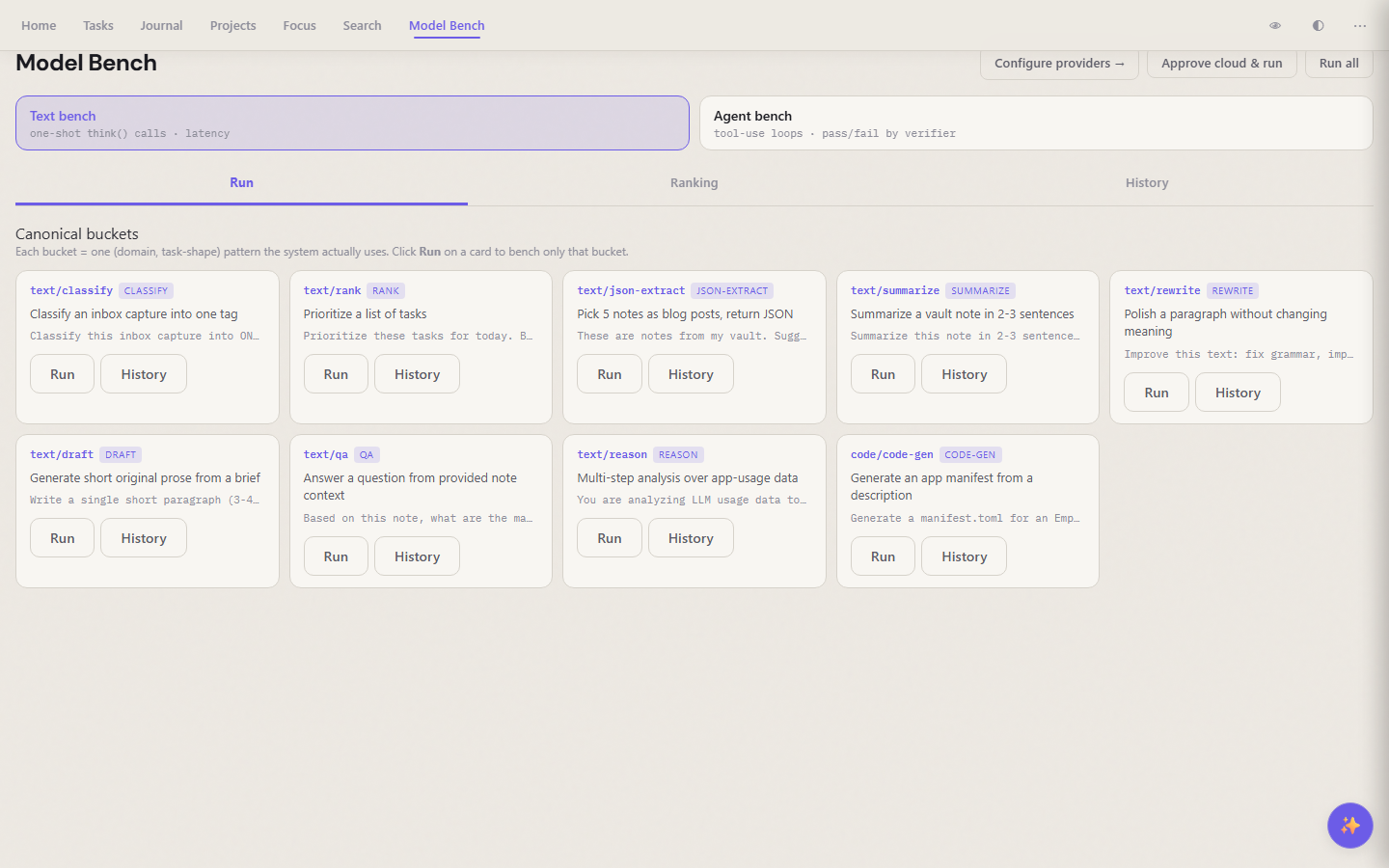
Every app can write, search, and answer for you. Use a free local model when you want privacy, a cloud model when you want power — the system picks the right one and tells you what it used.
Your notes stay yours
Everything lives in plain text files on your computer. Open them in any editor. Back them up however you like. Walk away from EmptyOS and you still have all your writing.
It grows with you
The system watches itself: noticing what you use, suggesting where to clean up, adding small features as you ask for them. You shape it; it doesn't shape you.
Works offline, talks to anything
Runs on your laptop without an internet connection. Plug in extras when you want them — voice, image generation, phone notifications, a code assistant — each one optional.
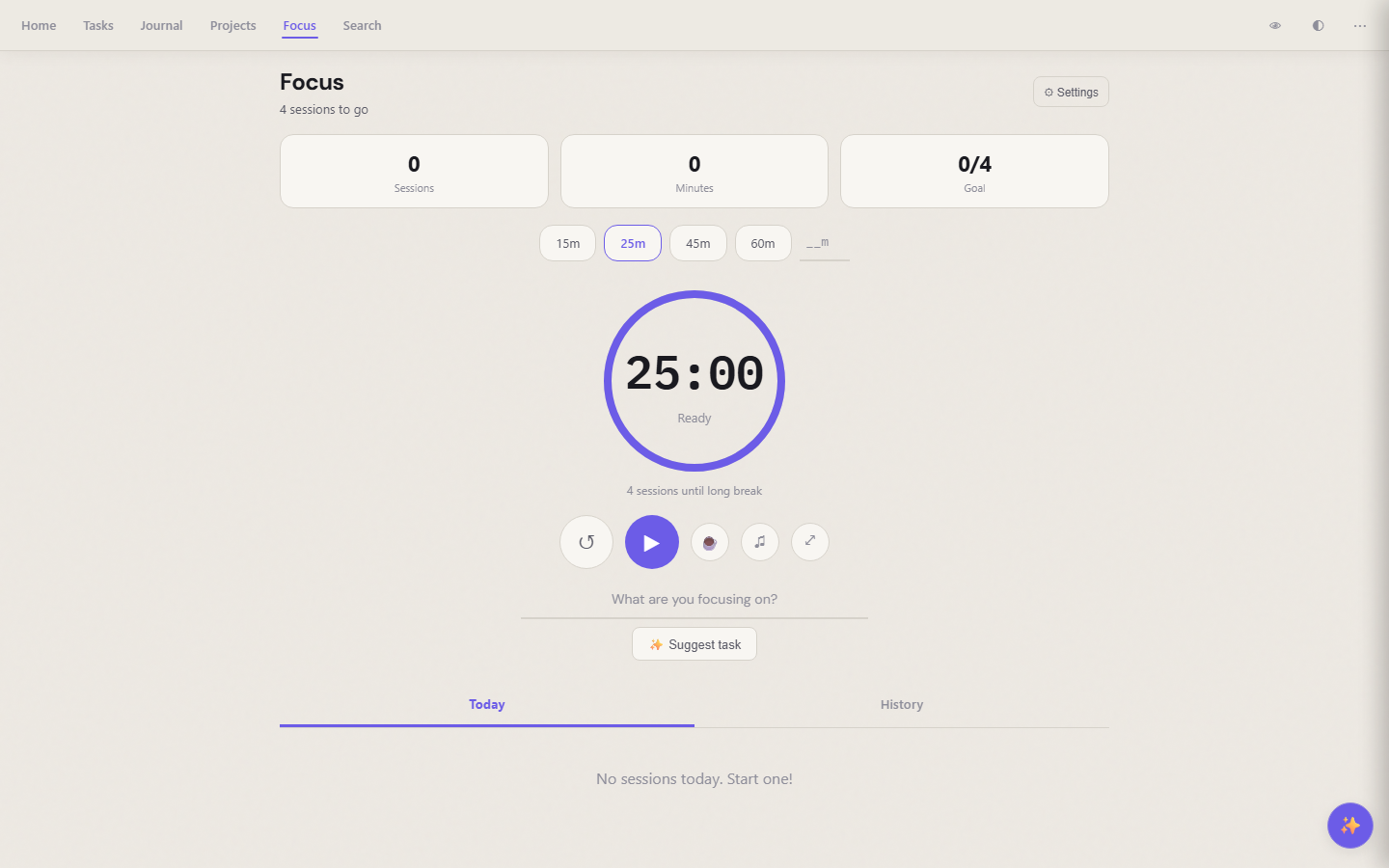
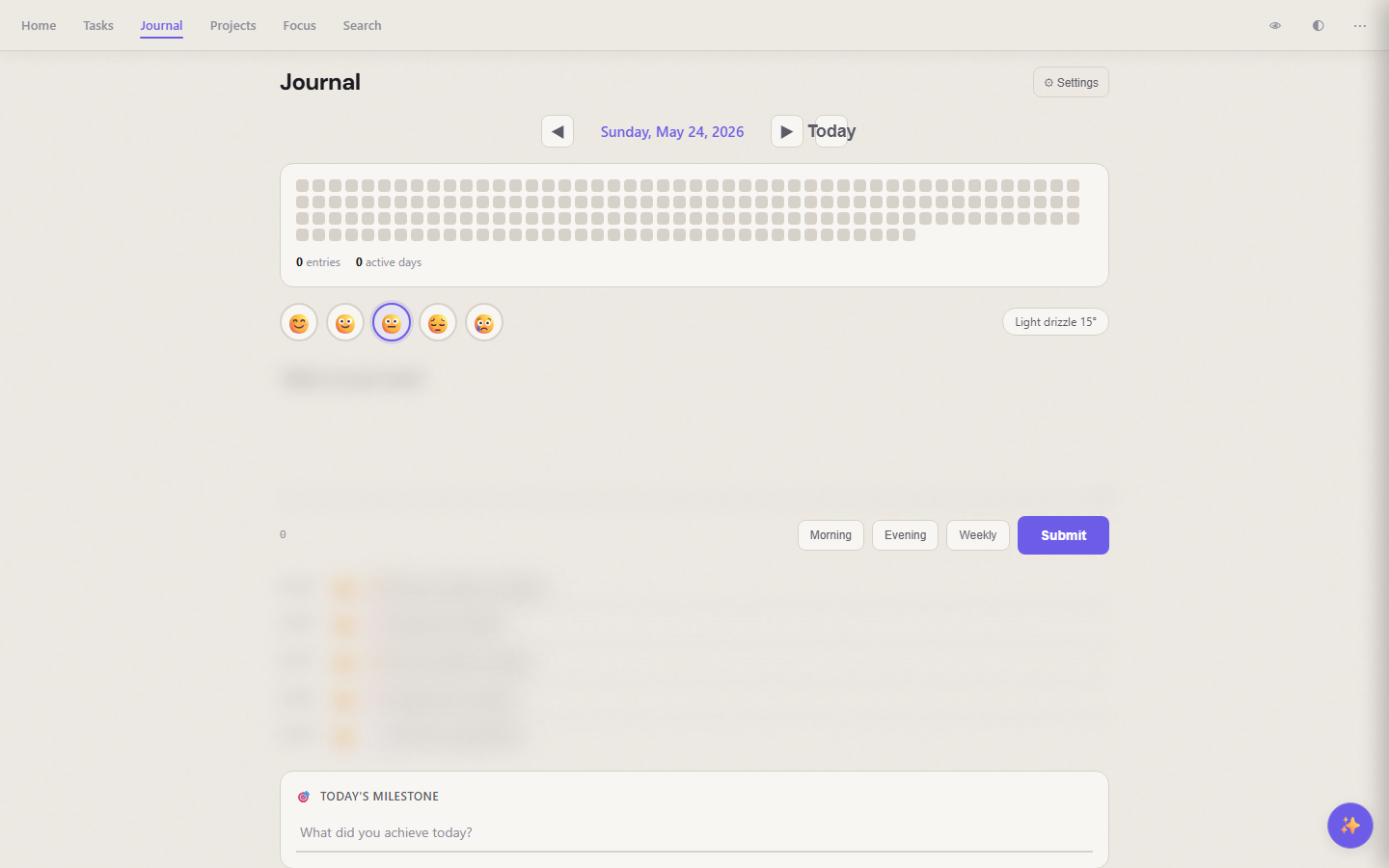
Every feature has a screen
You can do anything from a browser tab. Keyboard shortcuts, themes, live updates. No command line needed unless you want one.